
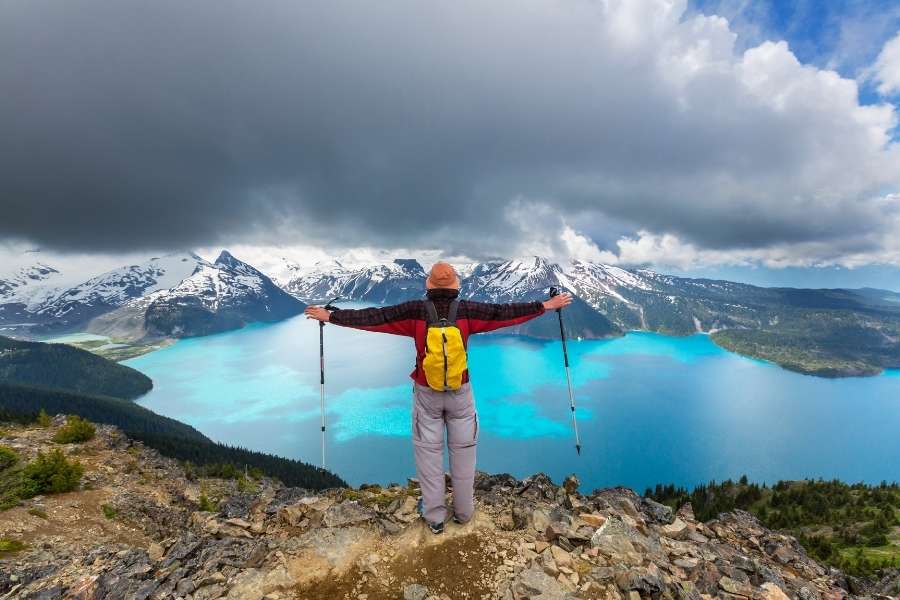
Alpine Hiking Without Crowds happens when you skip the obvious choices and dig deeper into Switzerland’s mountain maze. Sure, everyone’s heard of the Matterhorn. But what about the peaks that don’t have their own postcards? Switzerland’s got hundreds of hidden alpine trails where you might not see another soul for hours. These aren’t inferior backup options. They’re often better than the famous stuff, minus the circus atmosphere.
Think about it: why do we all pile onto the same few trails like sheep? Switzerland has enough marked hiking paths to circle the globe twice, yet most visitors stick to maybe five percent of them. The mountains don’t care about marketing budgets or Instagram followers. A 3,000-meter peak offers the same stunning views whether it’s crawling with tourists or standing empty. Secluded hiking paths wind through landscapes that’ll knock your socks off, and nobody’s fighting you for the good photo spots.
The best part? Getting to these peaceful mountain adventures isn’t rocket science. You just need to think like an explorer instead of a tourist. Skip the guidebook favorites. Talk to locals. Take the road that looks like it goes nowhere interesting. Sometimes the most incredible hiking experiences happen when you least expect them.
Why Switzerland’s Secret Trails Offer Alpine Hiking Without Crowds
Here’s what nobody tells you about Swiss tourism: it’s incredibly predictable. Everyone goes to Zermatt, Jungfraujoch, and maybe Grindelwald if they’re feeling adventurous. This lemming-like behavior leaves thousands of spectacular trails practically deserted. While tour buses clog up the famous spots, Switzerland’s hidden hiking gems sit there waiting for someone smart enough to find them.
The numbers are ridiculous when you think about it. Switzerland has 65,000 kilometers of marked trails, but most tourists experience maybe 500 kilometers of them. That’s like going to a massive buffet and only eating the bread rolls. The country’s jagged geography naturally creates isolated pockets where amazing hiking happens far from the madding crowd. Each valley system has its own collection of secret mountain paths that locals know about but rarely share with outsiders.
What’s brilliant is how the Swiss handle this. They don’t plaster every beautiful spot with signs and cable cars. Many remote alpine routes stay quiet because that’s how the locals like them. Mountain communities often maintain trails through volunteer work, creating networks that exist completely outside the tourism machine. These people welcome serious hikers who get it, who understand that some places are worth preserving exactly as they are.
Swiss hiking culture values the quiet places. Not everything needs to become a theme park. Some trails are meant to test your legs and reward your persistence with solitude among the peaks.

Hidden Valleys: Alpine Hiking Without Crowds in Switzerland’s Secret Sanctuaries
Lötschental valley proves that Switzerland still has tricks up its sleeve. This place sits practically next door to major tourist areas but somehow stays under the radar. It’s a UNESCO World Heritage site where old traditions survive alongside peaks that tower over 4,000 meters. Walking here feels like stepping back in time, but with better boots. The valley’s isolated mountain trails lead to viewpoints that rival anything in the heavily promoted areas, except you won’t be sharing them with bus loads of day trippers.
Val Bavona in Ticino takes remoteness to another level. The valley cuts deep into granite walls, creating this corridor of waterfalls and stone villages that time forgot. The access road barely qualifies as driveable, which keeps out anyone not seriously committed to the journey. Your secluded alpine hiking here unfolds among landscapes that look like movie sets, except they’re real and they’re spectacular. Granite walls rise on both sides, framing distant snow peaks that’ll make you forget about whatever was stressing you out back home.
Aletsch Forest offers something different but equally rewarding. While everyone crowds around the glacier viewpoints below, this ancient woodland sits above it all, largely ignored. Stone pines that have survived for centuries create natural cathedrals along trails that climb toward high meadows. Some of these trees were already ancient when Romans were building roads. Walking through this forest while modern glacier landscapes spread out below creates one of those hiking experiences that stays with you forever.
Remote Alpine Routes That Locals Keep Secret
The Bernina massif has hiking gold that most people miss while racing toward St. Moritz’s fancy shops. Val Roseg runs deep into the mountains, ending at the base of some serious peaks. Horse-drawn carriages provide the only motorized access, which immediately filters out the casual crowd. When the carriages turn back, your real adventure begins on pristine hiking experiences that climb through landscapes of startling beauty. The valley creates this natural amphitheater where glaciated peaks put on light shows that cost nothing but effort to witness.
Engadin’s side valleys hide some of Switzerland’s best crowd-free mountain hikes. Val Trupchun serves as the Swiss National Park’s wildlife sanctuary, where red deer and ibex live their lives without human interference. The protected status keeps development at bay while preserving ecosystems that function as they should. Wildlife encounters here happen naturally, not at feeding stations designed for tourist photos. The silence in this valley runs deep, broken only by marmot whistles and the sound of water finding its way downhill.
Central Switzerland’s Muotathal valley remains largely unknown even to many Swiss people. The limestone landscape here creates unusual hiking through gorges and across high plateaus that feel like different planets. Complex geology produces cave systems and underground rivers that add mystery to your adventures. Working farms scatter across the landscape, maintaining traditional Alpine agriculture in settings that tourism hasn’t sanitized. Hiking here includes encounters with authentic mountain culture, the kind that hasn’t been turned into a show for visitors.
Timing Your Alpine Hiking Without Crowds Adventures
Timing beats location when it comes to finding solitude in the mountains. Most tourists follow predictable patterns, creating windows of opportunity for smart hikers. Late spring delivers exceptional conditions as snow retreats and wildflowers explode across meadows. Many high trails become accessible by mid-June, but crowds don’t show up until July. This gives you weeks of perfect hiking weather with minimal human traffic.
September might be the secret weapon of quiet mountain exploration. Weather stays stable while tourist numbers drop off a cliff once kids return to school. Mountain huts often extend their seasons specifically for serious hikers who appreciate autumn’s unique character. Alpine larches turn gold during this period, creating color displays that rival New England’s famous fall foliage. You’ll have some of Switzerland’s best hiking conditions with a fraction of the summer crowds.
Weekday hiking provides the most reliable crowd-avoidance strategy throughout the season. Swiss work culture concentrates outdoor recreation into weekends, leaving trails remarkably peaceful during weekdays. Even popular destinations feel manageable on Tuesday mornings instead of Saturday afternoons. Your flexibility in choosing hiking days becomes a massive advantage for securing solitary mountain experiences that weekend warriors never get to enjoy.
Planning Your Secret Mountain Paths Adventure
Finding Switzerland’s hidden hiking trails requires ditching conventional planning resources. Mainstream guidebooks focus on the same tired destinations, which creates the crowding problems in the first place. Small-town tourism offices provide better intelligence about remote hiking opportunities than any bestselling guidebook. These folks possess intimate knowledge of their regions and genuine enthusiasm for sharing lesser-known treasures. Their recommendations often lead to hiking experiences that blow away the famous destinations.
Swiss topographic maps reveal trail networks that never appear in tourist materials. These detailed maps show every marked path, including ones that receive minimal promotion or maintenance. Good maps become your ticket to discovering secluded alpine routes that provide access to genuine wilderness. Modern GPS makes navigation straightforward even on unmarked trails, dramatically expanding your options. Traditional map and compass skills remain essential backup for serious mountain adventures, though.
Weather considerations become amplified when pursuing alpine hiking without crowds in remote locations. Popular trails offer escape routes and emergency services nearby. Those luxuries disappear in Switzerland’s backcountry. Your preparation must account for sudden weather changes and potential route complications. Proper gear selection becomes non-negotiable when help might be hours away. The trade-off between security and solitude defines much of serious mountain hiking.
Essential Gear for Remote Alpine Routes
Crowd-free hiking adventures require gear considerations beyond typical day hiking needs. Remote locations mean extended distances from help if things go sideways. Your equipment selection must balance weight against safety requirements for unsupported hiking. Quality matters more than brand names when your gear might determine outcomes in challenging situations. Switzerland’s mountain weather changes faster than teenage moods, requiring preparation for multiple scenarios within single days.
Navigation equipment takes on heightened importance when following secret mountain trails without clear markings or regular maintenance. GPS devices with detailed topographic maps provide confidence for exploring unmarked routes. Backup navigation should include traditional compass skills and paper map familiarity. Emergency communication devices deserve serious consideration for remote adventures. These tools can summon help when cell coverage disappears in deep valleys or high terrain.
Safety equipment expands beyond basic first aid when pursuing isolated mountain adventures. Emergency shelters provide crucial protection during sudden weather changes or unexpected delays. Gear selection should account for potential overnight stays even on planned day hikes. Headlamps with adequate battery life become essential for extended days or emergency situations. Water purification capabilities allow flexibility in route planning while reducing carried weight.
Local Knowledge: Unlocking Alpine Hiking Without Crowds Secrets
Switzerland’s hiking culture centers around local knowledge that rarely reaches tourist publications. Mountain hut operators know their regions’ hidden trails and seasonal conditions like the backs of their hands. Conversations with these individuals often yield information worth more than any guidebook. They understand weather patterns, wildlife behavior, and trail conditions through years of direct experience rather than marketing research.
Local hiking clubs represent goldmines for discovering secret alpine paths. These organizations maintain many unmarked trails and possess detailed knowledge about access routes. Joining their group hikes provides education while building relationships with knowledgeable locals. Many clubs welcome serious visitors who demonstrate genuine interest in preserving mountain environments. Their weekend excursions often target remote hiking destinations that never appear in tourist materials.
Agricultural communities in mountain valleys often control access to the most pristine hiking areas. Respectful engagement with farming families can unlock permissions for crossing private land toward secluded mountain trails. These interactions require genuine interest in local culture and respect for working landscapes. The rewards include access to hiking areas completely untouched by tourism. Many farmers take pride in sharing their land’s beauty with appreciative visitors.
Preserving Switzerland’s Hidden Hiking Gems for Future Generations
Discovering quiet mountain adventures comes with responsibility for preserving their character. Your behavior on secret trails directly impacts their long-term viability as crowd-free destinations. Leave No Trace principles become more important in pristine environments that lack infrastructure for managing human impact. Every footstep counts when you’re among the first to discover truly remote areas.
Social media sharing requires careful consideration after discovering exceptional hidden alpine trails. Instagram posts might inadvertently destroy the solitude that made locations special. Responsible sharing focuses on general regions rather than specific trail locations or access points. The goal becomes inspiring others to seek their own adventures rather than following exact footsteps. The most rewarding discoveries often can’t be shared without diminishing their essential character.
Supporting local communities becomes crucial for maintaining access to remote alpine routes. Spending in small mountain villages provides economic incentives for preserving traditional landscapes and cultures. Local businesses often control key access points or provide essential services for secluded hiking adventures. Their success directly correlates with their willingness to accommodate serious hikers seeking authentic mountain experiences.
Ever wonder what mountains might tell you if you showed up without expectations? The answer waits along countless secret mountain paths where your footsteps write stories nobody else will read. These trails don’t need validation through social media or travel blogs. They need respect, quiet presence, and commitment to preserving their wild character. Alpine hiking without crowds isn’t about avoiding people; it’s about rediscovering what mountains offer those willing to seek them out. Your next great adventure doesn’t require expensive flights or famous permits. It just requires courage to turn left where everyone else turns right, to choose unmarked trails over highways, and to trust that Switzerland’s greatest treasures have been hiding in plain sight all along.
