Interactive Museums have flipped the script on boring museum visits. Remember shuffling past dusty display cases, squinting at tiny text on faded placards? Those days are toast. Modern museums now pack more tech than a sci-fi movie, turning ancient artifacts into digital adventures that’ll blow your mind.
Walk into one of these places and you’re stepping into a time machine. Digital storytelling techniques mix with virtual reality experiences and augmented reality displays to make dead pharaohs feel like your next-door neighbors. You’re not just gawking at stuff behind glass anymore. You’re living it, breathing it, maybe even high-fiving a holographic Caesar.
This isn’t some gimmicky makeover either. Museums discovered something wild: when you let people actually interact with history, they remember it. Interactive learning environments pull in kids who’d rather be gaming and adults who thought museums were snooze-fests. The tech doesn’t replace the real deal; it cranks up the volume on stories that were already there.
How Interactive Museums Transform Traditional Learning Experiences
Old-school museums had this invisible force field problem. You could peek at a 2,000-year-old pot but never really get it. Interactive Museums smash through that barrier faster than you can say “please don’t touch.”
Now touch-screen kiosks let you spin ancient pottery around like a 3D video game. Motion sensors catch you walking by and BAM! Vikings start battling right in front of you. No more reading endless wall text that puts you to sleep. These hands-on educational experiences wake up parts of your brain that were dozing off.
Scientists figured out something cool: when you physically mess around with information, your brain goes nuts for it. Gamified museum experiences stick in your head way better than some professor droning on about the Bronze Age. We’re talking 90% better memory retention just from poking at stuff instead of staring at it.
Digital Storytelling Techniques That Hook Everyone
Interactive Museums turned into master storytellers. Digital multimedia presentations make dead historical figures feel alive enough to grab coffee with. Walls transform into movie screens where Roman legions march past your nose, complete with the smell of ancient dust and distant war cries.
Holographic displays bring back people like Einstein or Cleopatra for actual conversations. Not cheesy pre-recorded stuff either. These holograms use AI that’s smart enough to chat about whatever you’re curious about. Each person gets their own private history lesson tailored to what makes them tick.
Audio-visual storytelling dumps you right into the action. Medieval markets buzz around you while you examine knight armor. Dinosaurs roar so loud you feel it in your chest while studying fossil bones. These multisensory educational approaches hit you with feelings that textbooks never could.
Revolutionary Technologies Reshaping Museum Experiences
Virtual reality technology basically teleports you anywhere in history. Want to climb the pyramids when they were shiny and new? Done. Walk through Pompeii before the volcano ruined everyone’s day? Easy. VR museum tours don’t just show you places; they drop you right into the middle of ancient civilizations.
Augmented reality applications turn your phone into a magic window. Point it at some broken statue and watch it rebuild itself before your eyes. Dead animals start moving around their old habitats. Your boring smartphone becomes a time-traveling telescope that reveals secrets hiding in plain sight.
Artificial intelligence guides act like personal tour guides who never get tired or forget anything. They remember what you liked last time, suggest cool stuff you might dig, and answer questions that would stump most humans. These digital buddies learn from every chat, getting smarter about connecting people with the perfect historical moments.
Interactive Museums Work Magic on Every Age Group
Kids treat Interactive Museums like the world’s best playground. Gamified educational content tricks them into learning while they think they’re just having fun. They’re solving puzzles to crack open Egyptian tombs or building Roman bridges on touchscreen interfaces without realizing they’re absorbing engineering lessons.
Teenagers, who usually roll their eyes at anything educational, get sucked into interactive technology demonstrations that feel more like Call of Duty than school. Social media integration lets them share discoveries instantly, turning museum visits into viral bragging rights.
Adults love diving deep into stuff that regular exhibits barely scratch. Advanced simulation software lets you replay historical events with different outcomes. What if Napoleon had won at Waterloo? What if the Library of Alexandria never burned? You can actually test these scenarios instead of just wondering about them.
Popular Interactive Museum Technologies and Their Applications
RFID tracking systems follow you around like helpful invisible assistants, serving up relevant info based on where you are and what catches your eye. Your museum visit flows like a Netflix series instead of random disconnected episodes. Wearable technology reads your reactions, helping museums figure out which exhibits make people’s hearts race.
Projection mapping technology turns boring walls into portals to other worlds. Floors become interactive maps showing how civilizations spread across continents. Ceilings display star patterns from famous historical nights. These immersive visual displays create atmosphere that regular museum lighting can’t touch.
3D printing demonstrations put exact copies of priceless artifacts right in your hands while originals stay safe behind bulletproof glass. You can feel how ancient tools were shaped, understand why certain pottery designs worked better than others. History becomes touchable for everyone, including people who can’t see traditional displays.
How Interactive Museums Save Cultural Heritage Through Technology
Digital preservation techniques create permanent backups of cultural treasures that’ll outlast the physical originals. Every microscopic crack and color variation gets captured in ultra-high definition. Interactive Museums become digital fortresses protecting human heritage from time, disasters, and human stupidity.
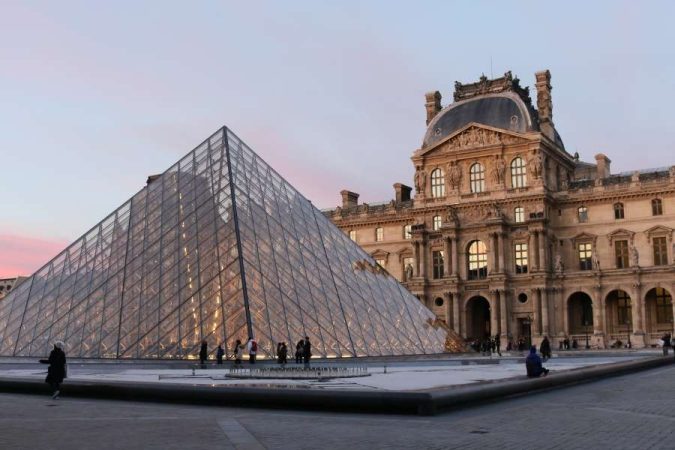
Blockchain technology works like a digital DNA test for cultural artifacts, proving authenticity and tracking ownership through history. Cloud-based museum platforms share collections worldwide, so a tiny museum in rural Montana can offer the same quality experiences as the Louvre.
Collaborative preservation projects connect museums across the globe, pooling resources and expertise. Small institutions partner with major players, creating global cultural networks that benefit everyone. A local history museum suddenly has access to world-class technology and international collections.
The Future of Interactive Museums and Emerging Technologies
Artificial intelligence will soon read your emotions in real-time, adjusting exhibits to match your mood and interests. Machine learning algorithms will track how your eyes move, where you linger, what makes you smile. No two people will ever have identical museum experiences.
Haptic feedback technology promises to add realistic touch to virtual experiences. You’ll feel silk from ancient China, heft medieval swords, or shiver through Ice Age temperatures. These tactile learning experiences will engage senses that current tech can’t reach yet.
Brain-computer interfaces represent the ultimate goal: plugging directly into historical experiences. While still in early stages, this technology might eventually let you experience history through the actual memories of people who lived it. Talk about first-hand accounts.
Challenges and Solutions in Interactive Museum Development
Interactive Museums face real headaches with equipment breaking down, software going haywire, and visitors who need tech support just to start an exhibit. Digital infrastructure costs serious money upfront and keeps demanding attention like a needy pet. Smart museums build sustainable technology partnerships with companies that want long-term relationships.
Accessibility concerns matter big time. All this fancy tech means nothing if people with disabilities can’t use it. Universal design principles guide the creation of interfaces that work for everyone. Voice-controlled systems and gesture recognition technology give alternatives to people who struggle with touchscreens.
Cost-benefit analysis keeps museum directors up at night. Phased implementation strategies let institutions test waters gradually, measuring visitor reactions before diving deep. Grant funding and corporate partnerships help cover costs while providing ongoing technical support.