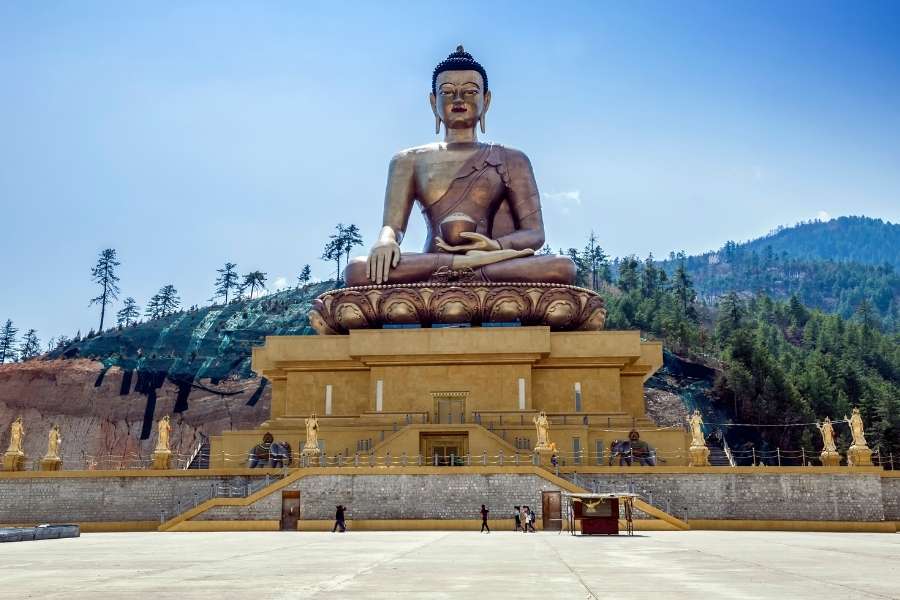
Bhutan’s Happiness Philosophy is bonkers when you first hear about it. This tiny mountain kingdom basically told the entire world to shove their GDP where the sun doesn’t shine. They measure success through Gross National Happiness instead. I know, sounds like hippie nonsense, but stick with me here. While we’re all running around chasing more money, bigger houses, fancier vacations, the Bhutanese figured out something we completely missed. They cracked the code on what actually makes people happy. And honestly? It’s gonna mess with your head in the best possible way. Authentic happiness in travel has nothing to do with your Instagram feed or how much you spent on that hotel room.
Why Bhutan’s Take on Happiness Will Blow Your Mind
Bhutan’s Happiness Philosophy sits on four pillars that’ll make you question every vacation you’ve ever taken. These aren’t some boring government policies nobody cares about. They’re the real deal, shaping how 800,000 people actually live their lives. First up: sustainable development. Sounds like corporate buzzword bingo until you realize what it actually means. Responsible tourism practices make your trips way better, not some guilt-ridden slog through eco-warrior checkboxes.
Picture this: you could sprint through fifteen cities in two weeks, posting blurry photos from train windows. Or you could actually get to know three places properly. Which sounds better? Environmental conservation is pillar number two, and here’s where it gets weird. Every single trail in Bhutan looks like a postcard because locals understand something we forgot. Protecting nature protects their happiness. Not rocket science, but somehow we missed the memo. Eco-conscious travel choices stop being sacrifices when you see them as upgrades to better experiences.
Cultural diversity rounds out pillar three, but not how you’d expect. Bhutanese people don’t treat their traditions like dusty museum pieces. They live them because these customs bring actual daily joy. Cultural immersion while traveling means jumping in instead of standing on the sidelines taking selfies.
The Fourth Pillar Hits You Different
Good governance wraps up the fourth pillar. Bhutanese leaders care more about whether citizens are happy than whether the economy looks good on paper. Crazy concept, right? Your trip’s value isn’t measured by passport stamps collected or money burned. Mindful travel practices happen when you start asking better questions about where you’re going and why.
Here’s what blew my mind: Bhutanese people make decisions thinking about their great-great-great-grandchildren. Seven generations out. Try planning your next trip with that timeline. Sustainable happiness through travel requires thinking past next weekend’s adventure.

Breaking Up with Material Travel Addiction
Travel turned into this weird arms race nobody signed up for. Everyone’s hunting Instagram moments and luxury experiences that drain bank accounts faster than online shopping sprees. Bhutan’s Happiness Philosophy throws a massive wrench into this whole machine. They actually limit how many tourists can visit. Not because they’re jerks, but because they want everyone to have amazing experiences instead of overcrowded disappointment.
This teaches you something pretty radical: inner fulfillment over material travel luxuries wins every single time. What if instead of speed-running twenty countries this year, you really explored three? What if instead of dropping mortgage payments on fancy hotels, you stayed somewhere that connected you with actual humans? Bhutanese people get that happiness multiplies when you share it, not when you hoard it like some dragon protecting gold.
Their whole approach slaps Western travel culture right in the face. More expensive doesn’t mean better experiences. Budget-friendly mindful travel often delivers richer adventures than those luxury trips that cost more than your car. Local families invite you into their homes because human connection beats expensive transactions every damn time.
Measuring Success Like a Human Being
Bhutan’s Happiness Philosophy says throw out your typical travel scorecards. Stop counting countries like baseball cards. Start measuring trips based on personal growth through travel experiences. Did you learn something about yourself that surprised you? Did you connect with locals beyond pointing at menus? Did you come home feeling more like yourself instead of needing another vacation?
The Bhutanese figured out “enough” in a world obsessed with “more.” Having enough experiences, enough comfort, enough excitement actually feels better than constantly chasing the next big thing. This prevents that awful travel burnout where you need a vacation from your vacation. Deeper cultural appreciation while traveling happens when you stop rushing through experiences like you’re being timed.
They measure happiness through community harmony, environmental health, spiritual wellbeing. Apply those metrics to your travels and watch how your destination wishlist completely changes. You’ll start picking places that actually enrich your life instead of just filling up your calendar.
Making This Philosophy Work in Real Life
Bhutan’s Happiness Philosophy isn’t just pretty thoughts floating around in academic papers. It’s practical stuff you can actually use. Slow travel and mindfulness practices mean quality beats quantity every time. Skip the destination marathon. Plant yourself somewhere for real time. Let cultural understanding happen naturally instead of forcing it through packed schedules that leave you exhausted.
This philosophy pushes community-based travel experiences where your visit actually helps local people. Pick homestays over chain hotels. Eat at family restaurants instead of tourist traps. Join community projects while you’re there. These choices align with Bhutan’s community focus without feeling like charity work or virtue signaling.
Their approach to time is genius. Bhutanese people don’t pack every minute with activities. They leave space for random discoveries and actual rest. Meaningful travel pacing includes downtime for processing what just happened and connecting with yourself.
Environmental Consciousness That Doesn’t Suck
Bhutan’s Happiness Philosophy proves eco-friendly travel planning makes adventures better, not more restricted. The whole country stays carbon-negative partly because people make earth-friendly choices daily. Copy this by picking trains over planes when possible, staying places with green certifications, joining conservation projects during visits.
How they treat nature completely changes how you’ll interact with landscapes. Instead of conquering mountains like some travel warrior collecting trophies, you approach them with respect and gratitude. This shift creates transformative nature experiences that actually feed your soul instead of just your social media addiction.
Bhutanese environmental practices show how sustainable travel choices often lead to more authentic experiences. Walking instead of Ubering everywhere lets you stumble into hidden neighborhoods. Eating locally grown food connects you with regional ecosystems. Picking renewable energy places supports communities actually working toward environmental preservation.
Community Connection Changes Your Whole Game
Bhutan’s Happiness Philosophy puts community welfare above individual wants, teaching serious lessons about building connections while traveling abroad. Bhutanese society runs on mutual support and shared responsibility. Solo travel doesn’t mean lonely travel when you embrace community-minded exploration.
This philosophy means seeing yourself as temporary community member instead of passing tourist. Join local festivals as welcomed guest, not outside observer. Contribute to community projects because you genuinely want to help, not because it looks good. These authentic cultural exchanges during travel create memories lasting way longer than anything you could buy.
Their respect for elders teaches you to seek out older locals carrying historical knowledge and cultural insights. Conversations with Bhutanese elders reveal travel perspectives you’ll never find in guidebooks. Respectful cultural interaction while traveling requires humility and genuine curiosity about different ways of living.
Collective Joy Makes Individual Joy Better
Bhutanese understanding that individual happiness connects to community happiness completely changes group travel and social interactions during trips. Collaborative travel experiences often beat solo adventures for personal satisfaction and cultural learning.
Bhutan’s Happiness Philosophy shows how helping others during travels makes your own experience better. Whether helping fellow travelers, supporting local businesses, or volunteering with community organizations, these actions create positive feedback loops that boost everyone’s wellbeing.
Their model proves that sharing travel experiences meaningfully goes way beyond posting photos online. Real sharing means bringing lessons home, maintaining relationships formed during travels, using experiences to build cultural understanding.
The Spiritual Side That Makes Actual Sense
Bhutan’s Happiness Philosophy weaves spiritual wellbeing into core happiness components, offering insights into spiritual growth through mindful travel. Buddhism influences Bhutanese culture deeply, but their happiness philosophy welcomes people from all spiritual backgrounds to find meaning in travel.
Mindfulness practice soaks into Bhutanese daily life, teaching full presence during journeys. Instead of constantly planning next activities or documenting current experiences, you learn to actually inhabit moments. Present-moment awareness while traveling transforms ordinary experiences into profound encounters with beauty.
Their approach to handling travel disasters through spiritual practices gives you valuable tools. When flights get cancelled or weather ruins plans, Bhutanese wisdom suggests viewing obstacles as opportunities for patience, adaptability, acceptance. These travel resilience strategies reduce stress and increase enjoyment of unpredictable journey elements.
Meditation Without the Woo-Woo
Bhutanese integration of meditation into daily routines offers practical methods for incorporating mindfulness into travel routines. You don’t need formal meditation training to benefit from quiet reflection during journeys. Morning meditation before starting daily activities helps set positive intentions and increases awareness of subtle travel experiences.
Bhutan’s Happiness Philosophy shows how travel as personal transformation happens through regular self-reflection and spiritual practice. Evening reflection sessions let you process daily experiences, extract lessons learned, cultivate gratitude for journey opportunities. These practices deepen travel impact beyond surface-level entertainment.
Their understanding of impermanence helps you appreciate fleeting travel moments without desperately clinging to them. Beautiful sunsets, meaningful conversations, cultural discoveries become more precious when you accept their temporary nature while fully experiencing immediate gifts.
Taking These Lessons Home
Bhutan’s Happiness Philosophy gives you a framework for transforming your approach to future travel planning. Instead of picking destinations based solely on popularity or convenience, evaluate potential trips through happiness-promoting criteria. Does this destination offer personal growth opportunities? Will your visit benefit local communities? Can you travel there responsibly?
Bhutanese emphasis on balance teaches you to create harmonious travel experiences that nourish different aspects of your wellbeing. Your itineraries include physical activities, cultural learning, spiritual reflection, community connection. This holistic approach prevents travel experiences from becoming one-dimensional or exhausting.
Their long-term thinking encourages considering how your travels contribute to your life’s overall direction and purpose. Bhutan’s Happiness Philosophy suggests meaningful travel should align with your values and support personal development goals instead of serving as escape from daily life challenges.
Building Your Personal Travel Framework
You can develop your own happiness-based travel evaluation system inspired by Bhutanese wisdom. Before booking any trip, ask whether this journey will increase your life satisfaction through mindful exploration. Consider whether your travel choices reflect your values and contribute positively to the world.
Bhutan’s Happiness Philosophy encourages measuring travel success through internal metrics instead of external validation. Did you become more compassionate? Did you gain new perspectives on life challenges? Did you develop deeper appreciation for cultural diversity? These questions guide you toward purposeful travel experiences that create lasting positive change.
The philosophy’s emphasis on “enough” teaches you when to stop adding destinations or activities to your itinerary. Travel contentment comes from fully experiencing planned activities instead of cramming maximum experiences into limited time. This approach reduces travel stress and increases satisfaction with chosen experiences.