
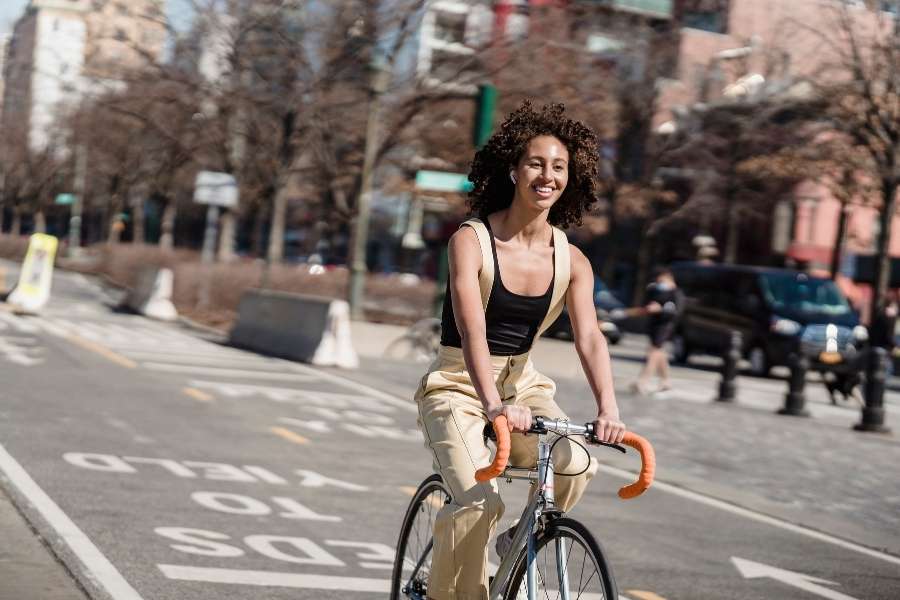
City Bike Share Systems have completely changed how you get around in big cities. Think about it: you’re rushing to a meeting, the subway’s packed, and traffic looks like a parking lot. Then you spot one of those bright bikes just sitting there, practically begging you to hop on. Within seconds, you’re cruising past all those frustrated drivers stuck in their cars.
Here’s what most people don’t realize about urban bike sharing programs: they’re way more complex than they look. Sure, you see bikes everywhere, but each city does things differently. London’s got those chunky red bikes that feel like tanks. Paris went sleek and modern. New York? They’re practically everywhere you look now. Each system has its own vibe, and once you crack the code, getting around becomes ridiculously easy.
The whole idea behind public bicycle networks is brilliant in its simplicity. No worrying about some jerk stealing your bike, no flat tires ruining your day, no cramped apartment storage nightmares. You just grab a bike when you need it and dump it when you’re done. But don’t let that fool you into thinking it’s basic tech. There’s some seriously sophisticated stuff making all this work.
How City Bike Share Systems Actually Work Behind the Scenes
When you walk up to a City Bike Share Systems station, there’s a mini computer network firing up to help you out. Those sensors aren’t just for show. They’re constantly chatting with servers downtown, tracking which bikes need repairs, where people are going, even predicting where you’ll probably want to drop off that bike.
The GPS tracking gets pretty wild when you think about it. Every bike knows exactly where it is, how much battery it has left (if it’s electric), and whether something’s wrong with it. Bike redistribution technology works like magic because computers figured out that everyone bikes downhill to work in the morning, so trucks need to haul bikes back uphill before evening rush hour hits.
Your phone does most of the heavy lifting these days. Tap the app, scan a code, and boom – the lock pops open. The bike’s little brain starts timing your ride and figuring out what to charge you. Some newer systems even buzz your phone if you’re heading toward a traffic mess or suggest a prettier route through the park.
Understanding Different City Bike Share Systems Models
Station-based bike sharing is like the old-school approach that actually works. You know those big metal racks with bikes locked in neat rows? That’s your classic setup. Cities like New York and DC love this style because everything stays organized. You always know where to find bikes and where to return them. No surprises, no wandering around looking for a place to park.
Dockless bike sharing systems threw that whole playbook out the window. Suddenly bikes could live anywhere within city limits. Sounds amazing, right? Just grab your phone, find the nearest bike, and ride off into the sunset. Problem is, people started leaving bikes in their backyards, blocking sidewalks, or tossing them in rivers. Turns out complete freedom isn’t always better.
Some cities got smart and created hybrid systems. Flexible bike docking solutions let you park at regular stations or designated areas around town. It’s like having your cake and eating it too. You get convenience without turning the whole city into a bike graveyard. Seattle and a few other places nail this balance pretty well.

City Bike Share Systems: What You’ll Actually Pay
Let’s talk real numbers because City Bike Share Systems pricing can get tricky fast. Most cities start you off around five bucks for a half-hour ride. Sounds reasonable until you realize that timer keeps running whether you’re pedaling or stuck at a red light. Go over your time limit? Those overage fees pile up like parking tickets.
Annual bike sharing memberships are where the real value hides. Yeah, dropping $150 upfront feels steep, but do the math. If you’re riding twice a week, you’ll save money compared to paying per trip. Plus, annual members usually get longer free ride windows. Some cities bump you up to 45 minutes instead of 30, which makes a huge difference when you’re not racing against the clock.
Short-term bike rental plans work great for tourists or people testing the waters. Day passes run about 20 bucks, monthly options might cost 35. Not cheap, but way better than dealing with rental shops or buying a bike for a week-long visit. College towns often cut students some slack with discounted rates, so flash that ID if you’ve got one.
Here’s a pro tip: check if your employer has deals with local systems. Corporate bike sharing programs are becoming huge, and companies love bragging about their green initiatives. Your HR department might already be covering half your membership without telling anyone.
Navigating City Bike Share Systems Apps and Technology
Bike sharing mobile apps range from dead simple to overwhelmingly complicated. The best ones show you everything you need on one screen: nearby bikes, empty dock spaces, and how much your last ride cost. The worst ones require six taps just to unlock a bike and crash when you need them most.
Real-time bike availability tracking saves you from those annoying walks to empty stations. Nothing worse than hiking four blocks only to find zero bikes available. Good apps update every few seconds, so you know what you’re getting into. Some even let you reserve bikes for a few minutes while you walk over.
The smartest riders use apps like Citymapper or Google Maps that show bike sharing alongside subway times and walking directions. Why limit yourself to one option when you can see everything at once? These integrated apps often reveal faster routes you’d never think of on your own.
Safety Considerations for City Bike Share Systems Users
Urban cycling safety protocols matter way more with shared bikes because you’re riding something completely unfamiliar. These bikes feel heavy and sluggish compared to your personal ride. The brakes might be touchier or looser than you expect. Always test everything before you leave the station, especially if you’re heading into busy traffic.
Bike sharing helmet requirements are all over the map. Some cities provide helmets at stations (though they’re usually pretty gross). Others partner with local shops for discounts. Most places just shrug and leave it up to you. Smart riders carry a lightweight folding helmet or buy a cheap one to keep at work.
Shared bikes handle differently than regular bikes, period. They’re built tank-tough to survive abuse, which means they’re heavier and less responsive. Shared bicycle traffic safety improves once you accept that you’re not racing anyone. Take corners slower, brake earlier, and don’t expect to zip through traffic like you’re on a road bike.
Weather turns everything upside down. Rain makes those metal pedals slippery as ice, and strong winds can push these heavy bikes around more than you’d expect. Most experienced users check the forecast and have backup plans ready. No shame in taking the bus when it’s pouring.
Electric vs Traditional City Bike Share Systems
Electric bike sharing networks are game-changers if you live anywhere with hills. Those little motors turn San Francisco’s brutal climbs into gentle slopes. Battery life usually lasts way longer than you’ll ride, but always check the indicator before heading out on a long trip. Nothing worse than your motor dying halfway up a mountain.
Traditional bikes still have their place. They never run out of juice, they’re simpler to maintain, and cities can afford way more of them. Pedal-powered bike sharing systems often have better coverage because they don’t need charging stations everywhere. If you’re just cruising flat neighborhoods, the extra motor power isn’t worth the premium price.
E-bike sharing cost comparison usually shows electric rides costing three to five dollars more per trip. Worth it if you’re crossing town or dealing with hills, but overkill for short hops to the grocery store. Some cities mix both types in their fleets, so you can choose based on where you’re going.
