

What if your next adventure wasn’t about ticking off destinations, but discovering your inner world instead? Spiritual journeys offer something deeper than postcards and souvenirs. They open doors to ancient wisdom, stillness, and soul-shaking beauty. And there’s no better place to begin than Asia, where sacred temples and age-old traditions create a living bridge between the material and the mystical.
Let’s embark on a path where incense replaces itineraries, chants echo louder than traffic, and every step feels like a quiet revolution.
Why More Travelers Are Choosing Spiritual Journeys
In a world running on deadlines and dopamine hits, many of us are quietly craving something more. Not louder, not faster—but more meaningful.
Spiritual journeys invite you to slow down and reconnect with parts of yourself you forgot existed. They’re not reserved for monks or mystics—they’re for the burnt-out tech worker, the overwhelmed parent, the curious soul asking, “Is this all there is?”
People are swapping beach parties for temple retreats, Instagram reels for real silence, and it’s not just a trend. It’s a movement.
What draws us in?
- The chance to unplug and be fully present
- A desire to learn from cultures that prioritize inner peace
- Encounters with rituals that make the invisible feel real
And nowhere is this magnetic pull stronger than in Asia.
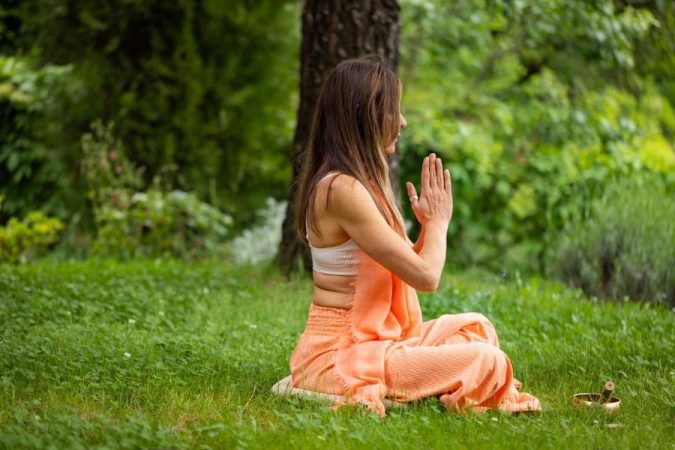
Temples That Redefine Time and Space on Your Spiritual Journeys
From the misty peaks of Bhutan to the humid jungles of Cambodia, temples in Asia are more than historic monuments—they’re living sanctuaries. They whisper stories, radiate power, and hold space for seekers from all walks of life.
1. Angkor Wat, Cambodia – A Dawn You’ll Never Forget
Imagine standing in the dark, coffee in hand, as the sky slowly reveals Angkor Wat’s silhouette. You’re not just witnessing a sunrise—you’re participating in a centuries-old ritual of awe.
This 12th-century temple is one of the largest religious monuments on Earth. Originally Hindu, now Buddhist, it’s a symbol of spiritual resilience.
What makes Angkor Wat essential to your spiritual journeys?
- Its symmetrical design reflects the cosmos itself
- The carvings tell stories of divine battles and human quests
- Monks still walk the corridors, blessing visitors and offering chants
You won’t leave the same person.
2. Borobudur, Indonesia – Walking the Path to Enlightenment for Spiritual Journeys
Tucked in the heart of Java, Borobudur is a giant mandala carved from stone. You don’t just visit it—you walk it, level by level, like climbing a staircase to the divine.
Each tier represents a stage of human consciousness, from earthly desires to spiritual liberation.
Highlights include:
- Over 2,500 intricate reliefs telling the Buddha’s story
- 72 stupas with meditating Buddhas inside
- Morning fog that adds a dreamlike, almost magical atmosphere
Spiritual journeys here feel like a dialogue between silence and sky.
3. Tiger’s Nest Monastery, Bhutan – The Sacred Climb
Perched on the edge of a cliff, 3,000 meters above sea level, Paro Taktsang—or Tiger’s Nest—isn’t easy to reach. But that’s the point.
The hike takes hours. Your legs will ache. But the stillness waiting at the top? Indescribable.
According to legend, Guru Rinpoche flew here on the back of a tigress to meditate and spread Buddhism.
Why is this place a pillar in spiritual journeys?
- The physical challenge reflects your inner transformation
- Every step is a moving meditation
- The energy is palpable—it humbles even the most skeptical
Ancient Traditions Still Breathing Through Spiritual Journeys
Temples are just the beginning. The real treasure lies in the rituals and teachings that have survived for thousands of years. Here’s where the soul of Asia truly reveals itself.
Buddhism: The Art of Letting Go
In Thailand, Sri Lanka, or Nepal, Buddhism isn’t a concept—it’s a way of living.
You might find yourself:
- Sitting cross-legged in Vipassana silence for 10 days
- Giving alms to monks in the early morning
- Learning that suffering isn’t the enemy—attachment is
These teachings gently dismantle your ego, like rain washing away dust.
Hinduism: Dance, Devotion, and Divine Chaos
Head to India or Bali, and you’ll enter a world of gods, colors, fire, and song. Hinduism is unapologetically alive.
What you might experience:
- Fire rituals (pujas) that ignite every sense
- Temple festivals that blur the line between sacred and spectacle
- Conversations with sadhus that shift your worldview in a sentence
Spiritual journeys rooted in Hindu traditions are like standing inside a moving poem.
Shinto and Zen: Beauty in Stillness for Spiritual Journeys
Japan invites you to rediscover the sacred in simplicity.
Through Shinto, you’ll bow to trees and rivers. Through Zen, you’ll see the divine in a tea cup.
Practices that linger in your heart:
- Forest walks where every leaf feels like a prayer
- Zen gardens that mirror your state of mind
- Temple stays with monks, where chores become meditations
There’s no need to speak. Just breathe.
Planning Your Own Spiritual Journeys: What to Expect
Now that your heart’s in, let’s talk logistics.
Choose Your Intention First
Are you craving silence? Insight? Healing? Each journey will offer something different. Set an intention—it will shape your path.
Pick a Place That Resonates
Some need the colorful chaos of Varanasi. Others long for the stillness of a Kyoto temple. There’s no right answer—only the right feeling.
Tips to guide you:
- Southeast Asia: More accessible, rich in Buddhist and Hindu traditions
- Himalayas: Best for high-altitude retreats and Tibetan wisdom
- Japan: Ideal for minimalist spiritual immersion
Be Prepared to Disrupt Your Routine
Forget comfy beds and Wi-Fi. You might sleep on mats, wake at 4 a.m., eat in silence. But what you gain? Clarity, humility, and maybe even peace.
Real Stories from Spiritual Journeys That Changed Lives
Sophie, 33, from Paris: “I went to a monastery in Chiang Mai, expecting a break from work. I ended up crying during a walking meditation. It felt like my body had been holding grief for years.”
David, 45, from Sydney: “I hiked to Tiger’s Nest in Bhutan on my birthday. It was the hardest thing I’ve done—and the most rewarding. That silence stays with me.”
These aren’t rare stories. They’re common once you step out of the tourist loop and into the sacred.
How to Deepen Your Spiritual Journeys
It’s not just about flying to Asia. It’s about how you travel, what you observe, and how you listen.
Here are ways to make the most of your journey:
- Journal daily, even if it’s messy or emotional
- Respect local customs—dress modestly, ask permission before photos, follow rituals with humility
- Disconnect digitally—you’ll connect more spiritually
- Stay open—sometimes the most profound lessons come from a passing stranger or a quiet sunrise
What You Won’t Find in a Guidebook
You might come seeking answers—but return with better questions.
And You might expect transformation—but get a subtle shift instead.
You might think you’re going alone—but meet parts of yourself along the way.
Spiritual journeys are never just about the place. They’re about how that place holds up a mirror.
Ready to Begin Spiritual Journeys
So, are you feeling the call?
Not the loud, urgent kind—but the soft nudge in your chest that whispers, “There’s more.” If so, Asia is waiting—not with bucket lists, but with blessings.
Pack lightly, walk slowly, and open wide. The sacred doesn’t scream—it whispers.
