
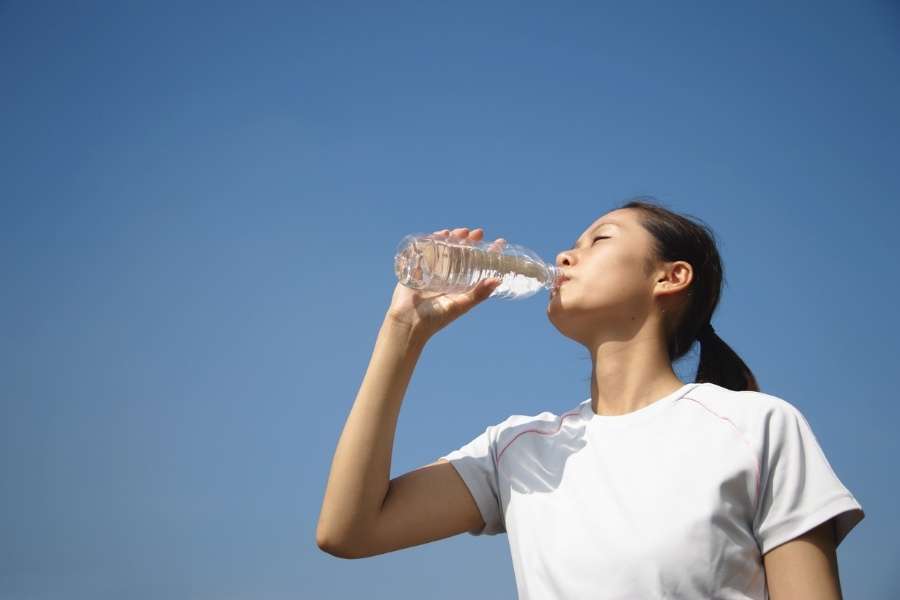
Summer temperatures can quickly reach dangerous levels today. Extreme summer heat puts continuous stress on your body. Staying hydrated during extreme heat is vital for survival. Do you know how to protect yourself properly? Drinking a simple glass of water is often not enough. You need a solid plan to handle hot weather.
This guide reveals effective ways to manage your hydration levels. You will learn simple tricks to protect your health.
Understanding Heat Stress and Fluid Loss
Scorching weather forces your internal systems to work hard. Your body redirects blood toward your outer skin surface. Sweat glands release moisture to cool down your body temperature. This natural process loses substantial amounts of internal water quickly. Your heart beats faster to maintain stable blood pressure levels. Whether you are walking through sunny towns or planning peaceful desert escapes, managing thermal strain is critical.
Without proper fluid replenishment, your physical performance drops fast. Blood volume decreases and causes sudden fatigue or weakness. Your brain needs stable water levels to stay focused.
The Biology of Sweating and Essential Mineral Loss
Sweat contains essential minerals like sodium and potassium. These charged minerals are known as vital electrolytes. They allow your nerves to send clear signals daily.
Drinking plain water alone can dilute your blood sodium levels. This balance issue often causes painful muscle cramps and fatigue. You must maintain your electrolyte balance alongside fluid intake.
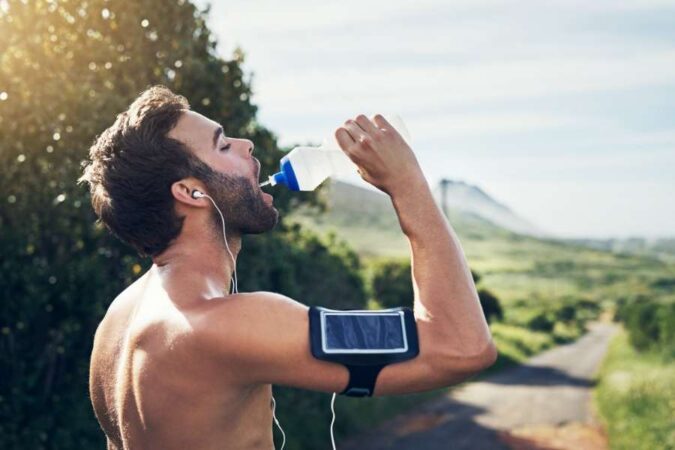
Calculating Your Daily Water Intake Needs
Standard hydration advice usually fails during severe heatwaves. Your body needs depend heavily on your movement level. If you enjoy long road trips or active motorbike travel adventures, physical exposure increases fluid loss significantly.
A person resting in air conditioning needs less water. Outdoor workers need much higher amounts of daily fluid. Monitor your sweat rate to calculate your actual needs.
| Heat Exposure Level | Activity Level | Hourly Fluid Target | Primary Mineral Focus |
| Moderate (85-90°F / 29-32°C) | Light Walking / Desk Work | 16 to 20 oz (0.5 L) | Standard Diet / Balanced Meals |
| High (90-100°F / 32-38°C) | Moderate Exertion / Gardening | 24 to 32 oz (0.7-1.0 L) | Moderate Sodium & Potassium Addition |
| Extreme (100°F+ / 38°C+) | Intense Exercise / Heavy Labor | 32 to 40 oz (1.0-1.2 L) | Full-Spectrum Electrolyte Balance Powders |
Calculating Exact Hourly Needs for Outdoor Exertion
Working under the sun increases your overall water demands. You need clear hourly targets to stay safe outdoors.
Knowing how much water to drink per hour when hiking in heat protects your health.
Field Fluid Target: Aim for 24 to 32 ounces (0.75 to 1 liter) every hour during active outdoor work. Never consume more than 48 ounces per hour.
Take small sips every fifteen minutes for better absorption. Gulping huge amounts causes stomach discomfort and bloating.
Mastering Electrolyte Balance to Stay Healthy
Drinking excessive plain water can cause serious medical risks. Hyponatremia occurs when blood sodium drops too low.
This condition leads to confusion, nausea, and sudden collapse. You must balance your mineral intake during hot days.
Choosing Effective Hydration Powders and Supplements
Many commercial sports drinks contain unnecessary sugary additives. Look for clean formulas with effective mineral ratios instead.
Finding the best electrolyte replacement powders for travelers requires checking ingredients. Choose products with adequate sodium and minimal sugars.
- Select Higher Sodium: Pick options with realistic sodium amounts.
- Include Magnesium: Look for magnesium to prevent muscle cramps.
- Avoid High Sugar: Skip formulas with excessive added sugars.
- Use Portable Packs: Single packets are convenient for travel.
Recognizing Severe Heat-Related Illnesses
Early warning signs help you prevent dangerous health situations. Heat illness ranges from mild cramps to severe crises.
Thirst, dark urine, and headaches signal mild fluid loss. Address these early signs before your condition worsens rapidly.
Differentiating Heat Exhaustion from Heat Stroke
You must quickly identify severe heat stroke symptoms. Heat stroke requires immediate professional emergency medical intervention.
Knowing the signs of severe dehydration in hot climates saves lives. Watch for confusion, vomiting, or a complete lack of sweat.
Move the affected person to shade and apply cold water immediately.
Practical Gear to Keep Water Cool
Drinking cold liquid aids your internal body cooling process. Cold beverages are absorbed efficiently by your stomach system.
Insulated stainless steel water bottles keep drinks cold for hours. They block external heat transfer effectively in high temperatures.
Essential Tips for Cold Water Preservation
Simple habits stop your liquid supply from warming up fast. Preparation keeps your drinks refreshing all day long.
Learning how to keep drinking water cool in the sun requires practical steps:
- Freeze Half the Container: Freeze half a bottle horizontally overnight. Top it off with fresh water before leaving.
- Use Insulated Hose Sleeves: Neoprene sleeves prevent drink tube water from warming.
- Wrap Containers in Wet Cloth: Evaporation from wet fabric cools single-wall bottles.
- Pack Fluids Deep Inside: Keep extra water insulated inside your backpack.
Tailoring Hydration Approaches for Extreme Climates
Different outdoor environments require specialized hydration tactics today. Humid air reduces the natural cooling effect of sweat.
Arid climates evaporate skin moisture instantly without your knowledge. Adjust your habits based on your specific location weather.
| Climate Type | Sweat Evaporation Rate | Main Risk Factor | Strategic Adjustment |
| Arid / Desert | Extremely Fast (Dries instantly) | Unperceived rapid fluid loss | Drink on a strict time schedule, not by feel |
| Tropical / Humid | Very Slow (Drips without cooling) | Rapid core temperature rise | Focus on active shade, cooling vests, ice slushies |
| High-Altitude Heat | Accelerated by thin, dry air | Combined respiratory & heat loss | Increase total liquid volume by 20-30% |
Crucial Lessons from Arid Climate Survival Protocols
Dry environments demand strict fluid management and discipline. You lose water rapidly through normal skin breathing actions.
Applying basic desert survival rules helps keep you safe. Limit heavy physical work during hot afternoon hours always.
Wear lightweight clothing to cover your skin completely outdoors. Keep extra water supplies ready for unexpected travel delays.
Dietary Habits That Support Daily Hydration
Eating hydrating foods supports your fluid levels throughout summer. Fresh fruits contain structured water and vital mineral salts.
Incorporating produce into meals provides steady water absorption daily.
- Watermelon and Berries: Packed with high natural water content.
- Cucumbers and Celery: High water combined with natural minerals.
- Chilled Soups: Vegetable soups replace lost salt naturally.
- Limit Alcohol: Avoid drinks that increase fluid loss rates.
Frequently Asked Questions
What is the best drink to rehydrate quickly in extreme heat?
An oral rehydration solution or low-sugar electrolyte powder works best. These drinks combine sodium and glucose for rapid intestinal absorption.
Is cold water absorbed faster by the body than room temperature water?
Cool water leaves your stomach quickly and lowers core temperatures. It encourages you to drink more during hot days.
How do I know if I am drinking too much water during a heatwave?
Clear urine, persistent headaches, and bloating indicate overhydration risks. Balance your water intake with essential electrolytes immediately.
Can I hydrate properly using only fresh fruits and vegetables?
Fruits provide extra moisture but cannot replace heavy sweat losses. Always combine hydrating foods with adequate water intake daily.
Taking proper care of your body during summer keeps you safe and active. Sip fresh water regularly and replace lost minerals to stay strong. What simple hydration habit will you start using today?
