
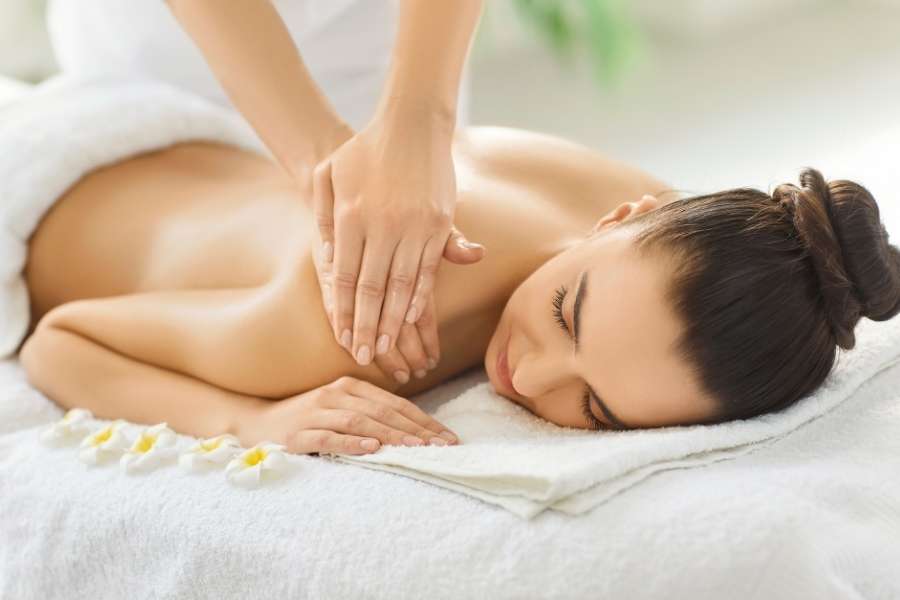
You know that glorious, weightless feeling after an amazing session? Your shoulders finally drop away from your ears. Yet countless people sabotage that calm within minutes of leaving. Bad post-massage habits will quickly undo your entire investment.
Think of your muscles like warm, softened wax. They are highly impressionable right after deep manual therapy. One reckless move can snap them straight back into spasm. Knowing how to maximize the benefits of a massage keeps you comfortable. A mindful recovery plan locks in lasting relief for days.
Life moves fast, but rushing right back into action is a huge mistake. Chugging iced espresso, running frantic errands, or crushing heavy squats ruins the magic. By spotting the top mistakes to avoid after getting a massage, you preserve your physical wellbeing. Let us explore the counterproductive habits that destroy your progress, alongside better paths toward sustained comfort.
1. Skipping Proper Fluid Intake and Dehydration Pitfalls
Manual therapy creates real mechanical shifts inside your soft tissues. Deep pressure pushes interstitial fluids straight into your venous and lymphatic channels. This process clears away stagnant cellular waste from tight muscle fibers. Without extra water, these cellular byproducts linger within your tissues. Stagnant waste creates dull aches, heavy fatigue, and painful morning stiffness. Recognizing the clear signs of a high quality spa day includes knowing how to treat your body once the session ends.
Hydration directly determines how fast your sore muscles bounce back. Poor fluid choices turn loose tissues stiff, dry, and tight again. Drinking fresh water keeps your fascia slippery, pliable, and properly cushioned. Healthy post-massage habits always prioritize steady water intake above everything else. Carry a large water bottle with you for the next day.
Leading clinical authorities, including the American Massage Therapy Association, recommend drinking water immediately. Adequate cellular hydration prevents common post-treatment soreness and tissue cramping. Water delivers vital oxygen and nutrients straight into recovering muscle cells. Skipping plain fluids robs your body of essential systemic support. Make clean liquids your top priority after leaving the treatment table.
The Science Behind Fluid Dynamics and Lymphatic Clearance
Deep pressure squeezes dense muscle bundles just like a wet kitchen sponge. Interstitial fluid moves outward, entering nearby lymphatic vessels for natural clearance. A complete toxin flush requires abundant water to move metabolic waste toward filtering kidneys. When fluid levels fall short, cellular sludge moves at a crawl. You end up feeling sluggish, nauseous, and surprisingly heavy all over.
Drinking plain room-temperature water speeds up your recovery without chilling your gut. Adding a tiny pinch of sea salt provides helpful trace minerals. These electrolytes transport fresh water straight into tight, thirsty cells. Treat your internal plumbing with genuine care after every single session. Your connective tissue will thank you with smooth, pain-free movement.
To keep your system clean without stressing digestion, rely on healing beverages like room-temperature mineral water with organic lemon slices, warm herbal teas such as chamomile or peppermint, fresh coconut water packed with potassium, and pure cucumber water infused with crushed mint leaves.
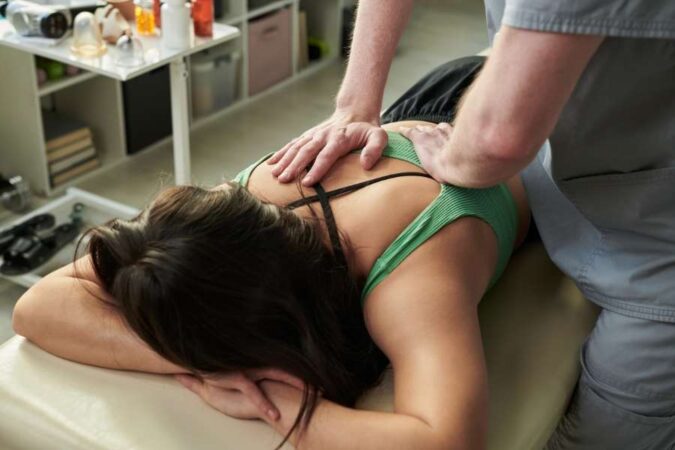
2. Reaching for Double Espressos and Alcohol
Grabbing a hot double espresso right after your appointment feels incredibly tempting. Many clients crave quick caffeine to fight off that post-treatment grogginess. Other people open a bottle of red wine to celebrate an easy weekend. Both choices represent major habits that ruin your post-massage relaxation on the spot. Both substances hijack your circulatory system and your resting heart rate. Exploring ancient customs reveals that many popular Asian spa rituals adopted by Western wellness always combine mindful bodywork with soothing herbal infusions rather than dehydrating drinks.
Bodywork shifts your autonomic nervous system from high stress into deep healing. Consuming potent stimulants or depressants reverses this therapeutic shift within minutes. Your blood vessels contract, pulling your muscles back into protective guards. You waste the calming neurochemical benefits your body just created. Give your nervous system a real fighting chance to stay peaceful.
Medical researchers note that caffeine and alcohol disturb normal vascular stability. Both beverages act as diuretics, pulling critical water right out of recovering tissues. If you wonder what not to do after a spa massage, keep these two drinks away. Choosing clean hydration replenishment over chemical stimulants ensures healthy, pain-free recovery. Keep your body calm so your tissues can mend without unnecessary stress.
Autonomic Nervous System Disruption and Vascular Shock
Good bodywork lowers circulating cortisol while raising soothing dopamine and serotonin. This reaction opens peripheral blood vessels, dropping your blood pressure into safe zones. Strict caffeine avoidance stops blood vessels from snapping shut in an instant. Sudden constriction often triggers intense vascular headaches and tight neck tension. Adrenaline surges through your system, waking up dormant pain patterns.
Alcohol causes equally severe trouble for recovering soft tissues. It dehydrates muscle cells, stalls tissue repair, and ruins nocturnal rest patterns. Your body struggles to rebuild cellular fibers while processing toxic alcoholic byproducts. You wake up feeling tight, dehydrated, and remarkably sore all over. Keep your beverages clean, natural, and completely calming for twenty-four hours.
3. Rushing Into High-Intensity Workouts
Many athletes schedule deep bodywork on rest days, then head straight to the gym. Hitting heavy deadlifts, explosive intervals, or long runs ruins all your therapy. This aggressive choice destroys positive post-massage habits and invites nasty sprains. Hands-on pressure lengthens shortened fibers, melts stubborn adhesions, and resets muscle reflexes. Consequently, your neuromuscular system loses its normal protective tension for several hours.
Loose, pliable muscles cannot stabilize heavy joints against sudden explosive loads. Connective tissues stretch beyond safe limits, increasing your odds of sudden injury. Your brain needs time to recalibrate its internal map of joint positions. Giving your body a rest window lets soft tissues adapt safely. Treat your muscles with real patience while they settle into place.
Sports science research warns against hard physical testing right after manual therapy. Deep soft-tissue work temporarily blunts peak power and explosive muscle output. Loading relaxed muscles under heavy barbells places joint capsules in serious jeopardy. Respect your body by swapping brutal conditioning for quiet, restorative rest instead. Let your structural alignment settle before you chase another personal record.
Protecting Vulnerable Tissues and Supporting Structural Integration
Subjecting tender, freshly stretched fibers to heavy impact forces triggers protective cramps. Avoiding strenuous exercise for a full day protects your delicate joints from strain. Your connective framework needs gentle recovery care, not another exhausting physical beatdown. Pushing through heavy sets tears vulnerable tissue fibers that need gentle rest. Protect your physical investment by stepping away from aggressive athletic workouts.
Supporting healthy muscle recovery through slow, unweighted movement keeps your joints happy. Gentle movement circulates healing blood without placing sheer stress on relaxed ligaments. Immediate heavy training sparks painful spasms, increases micro-tearing, and destabilizes vulnerable joints under stress. In contrast, gentle active recovery keeps fibers long, enhances circulation, and allows nerve pathways to adapt in a parasympathetic state.
Spend your afternoon walking outside, doing gentle mobility work, or stretching lightly. Leave heavy kettlebells, sprints, and Olympic lifting platforms for another day.
4. Consuming Heavy, Greasy, and Inflammatory Meals
Leaving a relaxing treatment room often sparks a surprisingly fierce appetite. Deep relaxation activates your parasympathetic state, turning on your digestive fire. Blood shifts away from skeletal muscles directly toward your abdominal organs. While your stomach welcomes nourishment, dumping greasy junk food inside spells disaster. Heavy meals trigger digestive stagnation, sudden energy crashes, and uncomfortable systemic inflammation.
Smart post-massage habits involve selecting light, wholesome meals that support recovery. Deep-fried foods, oily meats, and sugary desserts demand massive digestive effort. That digestive strain steals precious metabolic energy away from repairing worked muscles. You wind up feeling bloated, nauseous, and completely drained of physical energy. Feed your recovering body with clean foods that fuel quick repair.
Gastroenterologists consistently show that high-fat meals trigger low-grade systemic inflammation. Digestion slows to a crawl, creating uncomfortable internal pressure and reflux. That internal inflammation makes tender muscles feel far more achy and bruised. Provide your digestive tract with light, nutrient-dense fuel that digests with zero friction. Your muscles will absorb vital nutrients without feeling weighed down by grease.
Choosing Nutritious Fuel Over Digestive Strain
Filling your stomach with processed fats diverts blood flow away from healing tissues. Your circulatory system concentrates on heavy digestion instead of feeding worked muscle beds. Eating heavy meals triggers systemic inflammation, leaving you stiff, groggy, and sore. You lose that wonderful feeling of lightness you experienced on the table. Eat light so your body can focus on rebuilding soft tissues.
Choose simple, anti-inflammatory whole foods packed with clean water, vitamins, and minerals. Warm bone broth, light vegetable soup, or mild miso broth hydrate tissues effortlessly. Steamed wild salmon or organic tofu paired with crisp greens supplies essential repair protein. Soft quinoa bowls loaded with spinach, ripe avocado, and olive oil provide clean fuel, while seasonal berries and ripe watermelon deliver cellular hydration.
5. Diving Headfirst Back Into High-Stress Environments
The worst mistake happens the exact moment you leave the tranquil spa clinic. You check your phone, spot sixty urgent emails, and merge into gridlocked traffic. That sudden surge of panic shocks your vascular system and contracts your neck. Rushing straight into chaotic tasks wipes out every drop of mental peace. Your body snaps back into defensive, guarded postures before you even arrive home.
Building mindful post-massage habits means reserving a calm time buffer around appointments. Do not cram intense business meetings or stressful phone calls right after therapy. Treat manual bodywork as an immersive experience, not just another errand to check off. Rushing back into high-pressure tasks wastes both your time and hard-earned money. Build a protective moat around your scheduled self-care hours.
Medical research links psychological stress directly to immediate, involuntary muscle bracing. Stress hormones flood your bloodstream, causing upper shoulder muscles to clamp down tight. That nervous reaction locks your neck up, undoing every release your therapist achieved. Protect your calm state so your muscles learn to live without chronic tension. Your nervous system needs quiet time to lock in these peaceful physical changes.
Cultivating a Peaceful Buffer for Nervous System Integration
Your mind and muscles need quiet breathing room to integrate structural corrections. Spending time in quiet reflection allows your brain to accept this new, looser baseline. Sit quietly in a park, read a great book, or listen to soft music. Avoid contentious conversations, negative news cycles, and hectic shopping malls during this window. Let your mind float in calm waters while your body resets itself completely.
Securing a peaceful transition back to normal life turns a luxury into lasting healing. Turn off work notifications for a few hours and leave your smartphone behind. Take a warm Epsom salt bath to soak your muscles before turning in early. When you honor your recovery time, bodywork delivers profound, long-term health transformations. Treat yourself with genuine care, and let that hard-won relaxation carry you forward.
Frequently Asked Questions
Is it normal to feel sick or exhausted after deep bodywork?
Yes, feeling mild fatigue or slight muscle heaviness is a very common reaction. Deep structural massage moves stagnant fluids and calms your central nervous system deeply. Drink mineral water, take a warm bath, and sleep eight hours to recover.
How long should I wait before taking a very hot shower?
Wait at least one to two hours before stepping into boiling water or saunas. Deep pressure increases superficial blood flow, causing mild, temporary tissue inflammation. Excessive ambient heat amplifies swelling and makes you dizzy, so stick to warm water.
Can I stretch after my session, or will stretching hurt loose tissues?
Gentle, unweighted static stretching is wonderful if you avoid painful, aggressive positions. Your pain receptors are temporarily desensitized, so do not force extreme joint ranges. Breathe gently and use slow, flowing movements to keep your fascia loose.
