
Lille’s metropolitan area recorded 4.38 million nights in paid accommodation in 2025, according to its tourism observatory, yet professional travel accounted for 70% of stays. That is a curious imbalance for a destination where a former swimming pool houses sculptures and an old trading courtyard doubles as a book market. Come without a meeting to attend, and you can give those places something a business schedule rarely allows: your attention.
Start with streets, not tickets
For a first visit, give central Lille one full day before adding an excursion. Begin around the Grand Place, walk into Vieux Lille, choose one museum and leave enough room for lunch. The centre brings together the city’s Flemish façades, historic squares and cultural landmarks without demanding a succession of transfers.
Two days is a sensible starting point, not a challenge to fit everything in. A day trip can cover the old town and a good meal; a weekend lets you add a museum without watching the clock throughout your visit. Eurostar makes the same distinction in its destination information.
The courtyard worth slowing down for
Start at the Grand Place, also called Place du Général de Gaulle. Look above the shop windows before reaching for your phone. Then step into the Vieille Bourse when its courtyard is open: its 24 ornate merchant houses surround a space now associated with booksellers, old prints and chess players.
You might arrive intending to photograph the architecture and leave holding an old map. That is the pleasure of a place which still has a use beyond being looked at. Allow a little unallocated time here rather than treating the courtyard as a doorway between two attractions.
Continue into Vieux Lille for cobbled lanes, boutiques and the historic façades that make this district the obvious starting point for visitors. An unhurried first circuit is more rewarding than following a rigid sequence of photo stops. Notice a window display, turn into a smaller street, stop when somewhere looks inviting.
Think about footwear before packing. The tourist office explicitly describes the old town’s cobblestones, and they can make a beautiful walk feel considerably longer when your shoes are wrong. Choose comfort over the pair that only works between a taxi and a restaurant.
A view with a practical catch
The town hall belfry offers a different perspective: roofs, neighbourhoods and the wider city rather than another close view of a façade. Lille’s tourist office gives its height as 104 metres and confirms its UNESCO World Heritage status.
There is one detail to check before committing. Visitors must climb the first 109 steps before choosing the lift or the remaining stairs. Anyone with limited mobility should discuss access with the tourist office rather than assuming that a lift means a visit without steps.
Choose art over museum overload
The best museum choice depends on what holds your attention. For painting and sculpture in central Lille, choose the Palais des Beaux Arts. For the unusual experience of seeing art inside a former municipal swimming pool, make time for La Piscine in Roubaix. For architecture, consider Villa Cavrois in Croix. These are distinct experiences, not interchangeable boxes to tick.
At the Palais des Beaux Arts, works by artists including Rubens, Rodin and Monet sit within a substantial collection. Resist the impulse to cover every room. A visit organised around a handful of paintings you genuinely want to see can be more memorable than an exhausting attempt at completeness.
Check the day before booking travel around the museum. Its published opening hours are Monday from 2 p.m. to 6 p.m., and Wednesday to Sunday from 10 a.m. to 6 p.m.; it closes on Tuesdays and certain holidays. A Tuesday visit to Lille is perfectly workable, but this museum cannot be its centrepiece.
Why Roubaix deserves its own time
La Piscine is not in central Lille. It is in Roubaix, where a municipal pool inaugurated in 1932 became an art and industry museum in 2001. Painting, sculpture, textiles and other collections occupy the converted building.
The architecture is part of the visit. Sunburst stained glass, mosaics and the former pool setting give the artworks a context very different from a conventional white gallery. Come because that combination interests you, not simply because the interior photographs well.
Its timetable also rewards a little preparation. The tourist office lists opening from Tuesday to Thursday between 11 a.m. and 6 p.m., Friday between 11 a.m. and 8 p.m., and weekends between 1 p.m. and 6 p.m., with Monday closure. Do not plan an early Sunday museum visit here.
Villa Cavrois provides another compelling reason to leave the centre. Designed by Robert Mallet Stevens, the house offers an architectural experience shaped by space, light and materials. Public transport gets you nearby rather than to the door: the monument lists a 15 minute walk from the Villa Cavrois tram stop, or 25 minutes from Croix Centre metro station.
You can combine the villa and La Piscine if their schedules suit your day. But keep the travel and walking time visible in your plans. With a single night in Lille, staying central may be the more satisfying choice; with another day available, the excursion has room to breathe.
Let lunch shape the afternoon
Lille’s food makes more sense when you recognise both its French and Flemish influences. Carbonnade flamande brings beef and beer together in a rich stew; moules frites, regional cheeses and sweet waffles offer other ways into the local table. Pick something you actually want to eat rather than ordering the most substantial dish as proof of commitment.
An estaminet, the region’s traditional tavern style restaurant, is a natural place to try that cooking. If a particular address matters to you, check its current menu and reserve. A restaurant should anchor a pleasant afternoon, not turn lunchtime into a negotiation with your itinerary.
Leave space for a pastry stop. Méert is known for its filled waffles, while Aux Merveilleux de Fred offers meringue based sweets. You do not need to conduct a tasting marathon. Choose one, sit down if you can, and let it be a proper break rather than something eaten while looking for the next landmark.
Wazemmes brings another rhythm
For a different side of Lille, visit Wazemmes. Its covered market and surrounding neighbourhood offer food shopping and street life beyond the old town’s more polished circuit. The outdoor market takes place on Tuesdays, Thursdays and Sundays; the covered hall has its own schedule and closes on Mondays.
A Sunday visit works particularly well if you want the market rather than another morning of monuments. Arrive with an appetite and some flexibility. Buy what appeals, look around before committing to lunch, and accept that a busy market is not a setting designed for uninterrupted photographs.
When the weather allows, the Parc de la Citadelle supplies a quieter counterpoint. Its paths surround Vauban’s historic fortress and offer space for walking or a pause on the grass. You do not have to replace every free hour with another paid attraction.
Make getting around feel easy
The first transport decision is your arrival, not your sightseeing. Confirm whether your train uses Lille Europe or Lille Flandres and keep the exact station name with your accommodation address. Both stations serve the city, and both appear in the airport’s transport information, but they are separate places.
For an airport arrival, check the current shuttle information directly. Lille Airport publishes a service linking the terminal with the city centre near Lille Flandres, and also identifies bus route 68 as an alternative through the metropolitan network. Avoid building a connection around an old screenshot of a timetable.
Walking suits much of the central sightseeing route. Metro, tram and bus become more useful when your plans extend across the metropolis, including visits outside Lille itself. The aim is not to use one mode for everything; it is to keep unnecessary transfers out of a short stay.
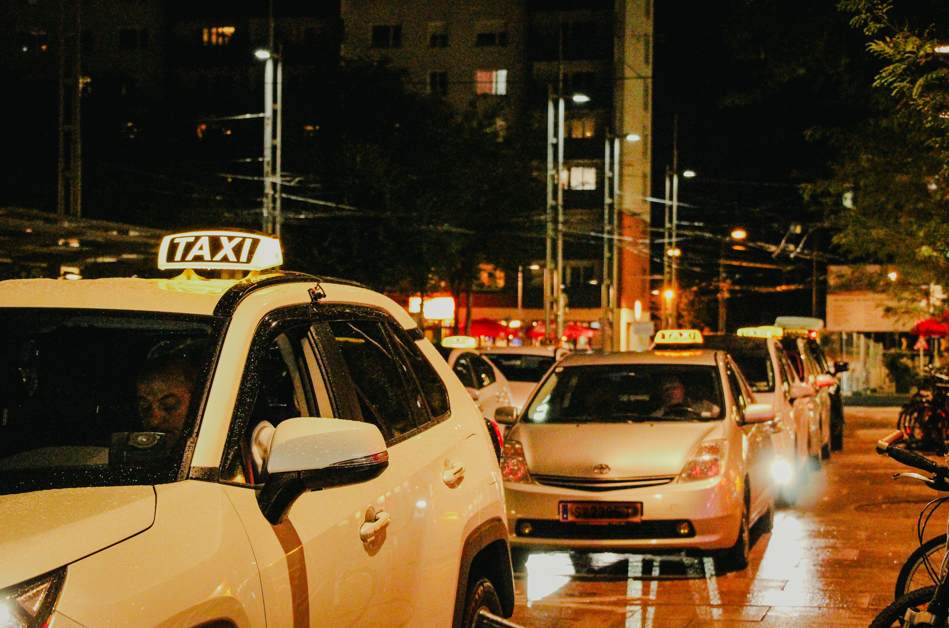
If luggage, a late arrival or your accommodation location makes a direct transfer preferable, you can consult the English booking page for taxi in Lille. The provider advertises service in Lille and the surrounding metropolitan area. Before booking, confirm the pickup point, fare arrangements, passenger capacity and any child seat requirements.
Read the City Pass transport wording
The current HelloLille City Pass deserves a closer look than older descriptions suggest. The tourist office offers versions lasting 24, 48 or 72 hours, with around 20 included experiences. Its digital version excludes transport; the physical option adds a separate 24 hour public transport allowance for €4 extra.
That distinction matters. A 48 hour attraction pass does not automatically mean 48 hours of included transport under the offer described by the tourist office. Match the product to your actual plans rather than buying it on the strength of the phrase “City Pass”.
Check opening days and reservation requirements before comparing costs. The tourist office notes that some activities need booking and that individual sites retain their own visiting conditions. For a weekend centred on streets, food and one museum, individual tickets may suit you better; calculate using the visits you will genuinely make.
Build a weekend with breathing room
A workable first day starts with the Grand Place, the Vieille Bourse and Vieux Lille. Give lunch a generous slot, then choose the Palais des Beaux Arts if it is open and you still want an indoor visit. Finish with dinner rather than another obligation. These central sights provide a coherent introduction without needing to cross the metropolis.
For the second day, make one clear choice. Stay in Lille for Wazemmes when the market is running and a walk around the Citadelle park, or travel to Roubaix for La Piscine. Trying to squeeze both into a departure day can leave the most enjoyable parts competing with your train.
Before choosing dates, check the event calendar as carefully as the weather forecast. The Braderie brings a major flea market to Lille, while the Christmas market offers another seasonal reason to visit. Those are good reasons to come deliberately, not conditions to discover after booking a quiet break.
The accommodation figures reinforce the value of checking rather than guessing. For January to July 2026, the metropolitan tourism observatory reported a 71.2% occupancy rate for Lille’s hotels and tourist residences, using a panel covering 82% of metropolitan room and apartment capacity. That average cannot predict availability on your dates, but it is a useful reason to compare accommodation early.
The final choice is what you leave out. A weekend does not become better because you have exhausted its possibilities. Keep the museum you care about, the lunch you want and enough time to stop somewhere you did not know existed when you arrived.
